Algorithmic Bridges Between Digital Randomness Systems and Live Sports Market Dynamics on Mobile Devices
Erik Washington · Jul 29, 2026
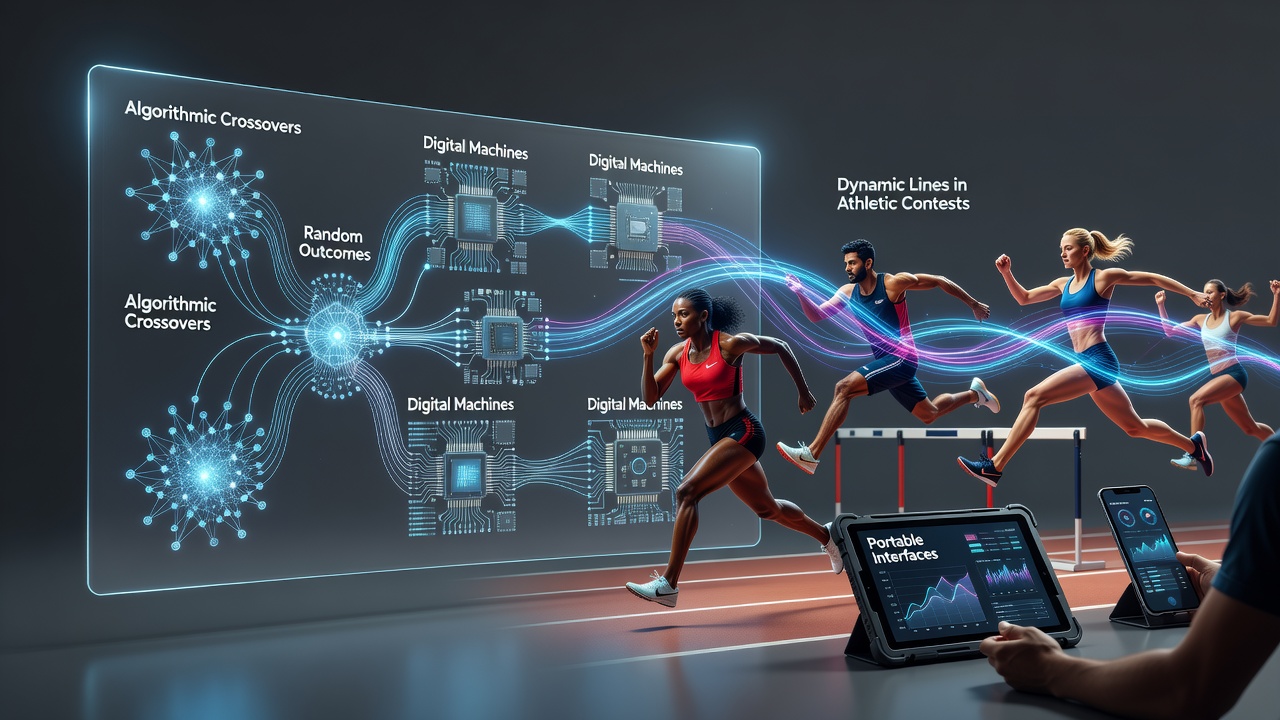
Algorithmic Bridges Between Digital Randomness Systems and Live Sports Market Dynamics on Mobile Devices
Digital machines rely on certified random number generators to produce outcomes in electronic gaming systems while athletic contests feature constantly shifting odds calculated through statistical models and market inputs, and portable interfaces now allow these elements to interact through shared algorithmic frameworks on handheld devices. Developers have created platforms where random outcome sequences from one system feed into predictive modules that adjust dynamic lines in the other, creating crossover mechanics that operate in real time across networks.
Core Algorithmic Mechanisms
Random number generators in digital machines follow strict certification standards that ensure uniform distribution across millions of cycles, whereas sports betting platforms employ algorithms that incorporate player statistics, team performance data, and external variables to update odds continuously. When these systems connect via mobile applications, the output from one can influence the input parameters of the other through API linkages that transmit data packets without direct user intervention. Observers note that such connections emerged more prominently after 2023 as device processing power increased and latency dropped below acceptable thresholds for live events.
In July 2026 several North American operators reported expanded testing of these integrated modules following regulatory updates in multiple jurisdictions. The American Gaming Association published findings showing that mobile sessions involving both random outcome games and sports markets grew by measurable percentages compared with prior years, driven by backend systems that synchronize RNG sequences with odds recalculation engines.
Data Transmission and Synchronization
Portable interfaces handle the crossover through encrypted data streams that move information between RNG servers and sports odds databases in milliseconds. A mobile application might pull a verified random sequence from a digital machine module and route it into a sports analytics layer that recalibrates betting lines based on predefined correlation rules. Researchers at institutions such as the University of Nevada have examined these synchronization protocols and documented how checksum verification maintains integrity across both systems during simultaneous operation.

Network providers supply the bandwidth required for these exchanges, while device operating systems manage background processes that keep both data sources active without interrupting user sessions. Canadian regulatory bodies have tracked similar implementations and noted that cross-system calls occur at frequencies determined by event schedules rather than fixed intervals, allowing the sports side to respond to live developments while the random side maintains independent certification cycles.
Implementation Patterns Across Regions
European markets outside the United Kingdom have adopted comparable frameworks under directives from bodies such as the Malta Gaming Authority, which requires separate auditing trails for each algorithmic component even when they interact through mobile gateways. Australian state regulators have similarly documented trials where RNG outputs from digital machines contribute to dynamic line adjustments in athletic contests via applications that log every data handoff for compliance review.
Industry reports from the European Gaming and Betting Association highlight that these crossovers rely on modular code architecture, enabling operators to update one component without affecting the certification status of the other. Mobile interfaces serve as the presentation layer that displays both sets of results side by side or in sequenced order, depending on the application design.
Security and Verification Protocols
Security measures include multi-factor authentication at the device level combined with server-side validation of RNG outputs before they influence sports line calculations. Independent testing laboratories verify that crossover functions do not introduce bias into either system, maintaining the statistical properties required by each regulatory framework. Data from the Nevada Gaming Control Board indicates that audit logs for integrated platforms capture timestamped entries for every algorithmic exchange, providing traceability that satisfies multi-jurisdictional requirements.
Conclusion
Algorithmic crossovers between digital random outcome systems and athletic contest dynamics continue to evolve through portable interfaces that manage real-time data flows under established regulatory and technical standards. Documentation from multiple regional authorities and research entities shows measurable adoption patterns as of July 2026, supported by synchronization protocols and verification processes that preserve the integrity of each component while enabling their interaction on mobile devices.