Connecting Assistance Channels and Payment Systems to Bridge Slots, Live Dealers, Card Games, and Sports Betting on Mobile Devices
Erik Washington · May 31, 2026
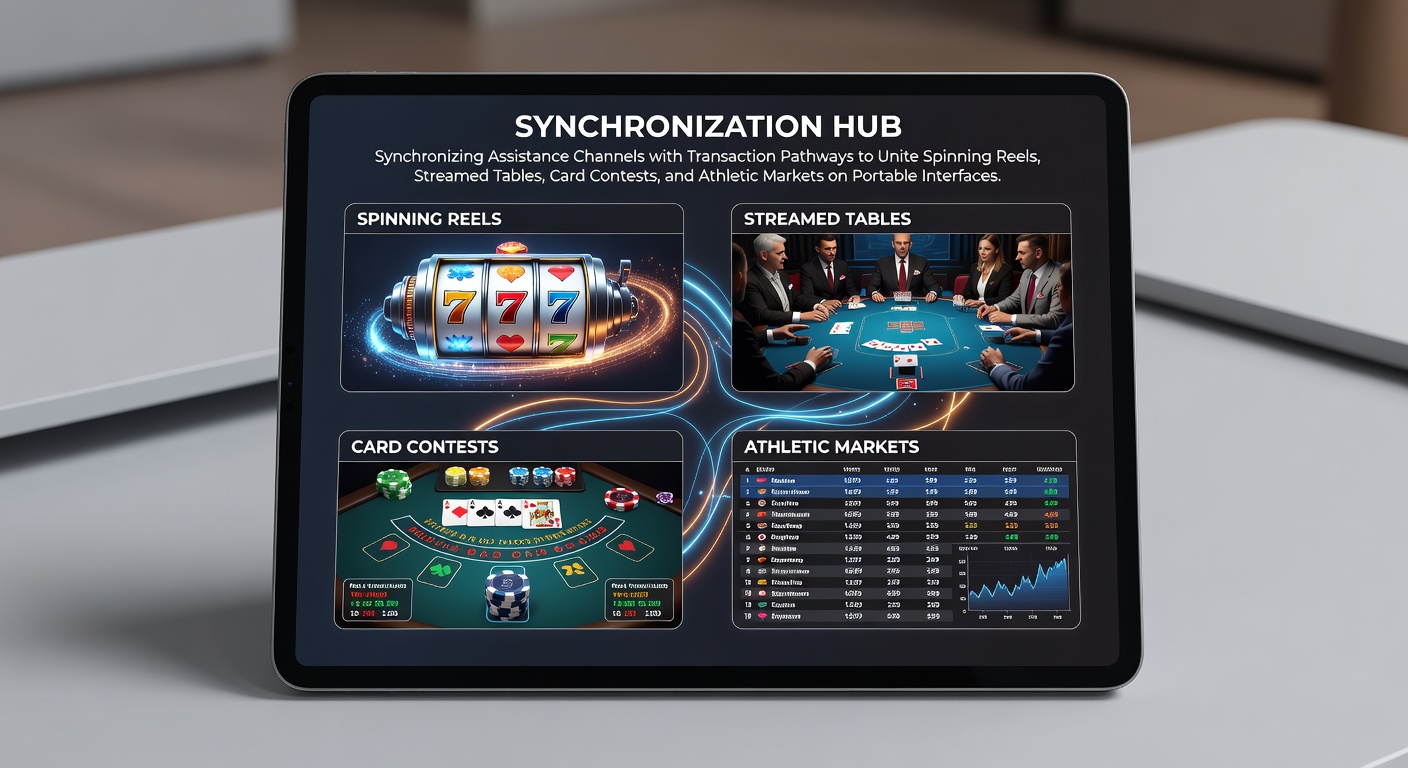
Connecting Assistance Channels and Payment Systems to Bridge Slots, Live Dealers, Card Games, and Sports Betting on Mobile Devices
Operators in teh gaming sector continue to develop integrated systems that align customer assistance with financial transaction pathways, allowing users to move between spinning reels, streamed tables, card contests, and athletic markets on portable devices without interruption. These developments focus on technical compatibility that handles queries, deposits, and withdrawals across multiple formats in a single session.
Platforms achieve this synchronization through centralized databases that track user activity and route support requests directly to payment processors. When a player encounters an issue during a live dealer stream, the system can pull transaction history instantly and connect them to an agent equipped with real-time data on their account status. Similar connections apply to card contests and sports wagers, where bet confirmations and payout timelines appear alongside help options.
Technical Foundations of Unified Mobile Systems
Developers rely on API frameworks that link front-end mobile interfaces with backend support and banking modules. These APIs enable seamless toggling between game types while maintaining continuous access to assistance tools. Data from industry reports shows that such integrations reduce session abandonment rates by streamlining how users resolve payment delays or technical glitches mid-play.
Security protocols form another layer, with encryption standards applied uniformly across all channels. This approach ensures that information shared during a support interaction about a sports market wager remains protected when the user switches to reel spins or table games. Observers note that compliance with varying regional standards requires ongoing adjustments, particularly as new mobile operating systems release updates.
Support Integration Across Game Formats
Customer assistance teams now operate from dashboards that aggregate data from slots, live streams, card tables, and betting markets. Agents receive alerts tied to specific transaction events, such as a failed deposit during a card contest or a delayed withdrawal after an athletic event result. This setup allows responses that address both the game mechanics and the financial side in one exchange.
Live chat functions embed directly within game screens, so players on streamed tables can request help without closing the session. The same holds for sports markets where in-play odds change rapidly; support channels pull current transaction records to verify stakes or resolve settlement questions. Studies from research institutions indicate that these embedded tools improve resolution times across formats.
Payment Pathways and Cross-Format Mobility
Transaction systems use shared ledgers that update instantly when users shift between game categories. A deposit made while playing reels carries over to fund a card contest or sports wager without separate verification steps. E-wallet providers and banking partners supply the infrastructure that supports these transfers on portable interfaces.
According to findings from the American Gaming Association, mobile transaction volumes across combined game types grew steadily through early 2026, driven by platforms that synchronize payment confirmations with support notifications. Users receive confirmations via the same interface whether they place a sports bet or activate a slot feature, which keeps activity continuous.
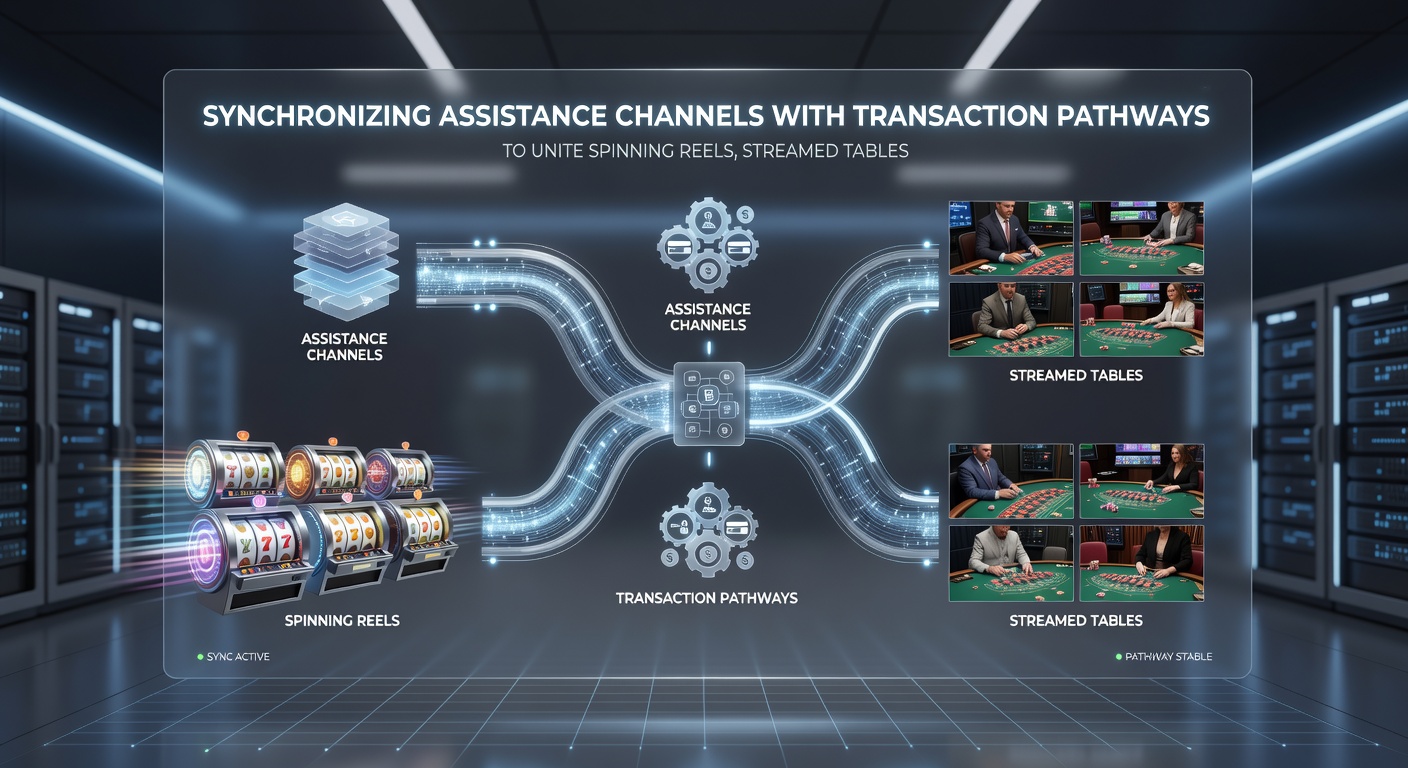
Regional variations influence how these pathways operate. In markets with strict data localization rules, operators maintain separate servers while still presenting a unified view to the end user. This balance keeps assistance responsive and payments secure across borders.
Case Examples of Platform Implementation
One operator rolled out a system in spring 2026 that routes support tickets based on the last game format accessed, whether that was a streamed table or an athletic market wager. The integration pulled payment data automatically, allowing agents to confirm balances and process adjustments without requiring the player to repeat details. Similar setups appear in other regions where multiple game types run on single mobile applications.
Another example involves automated alerts that trigger when transaction patterns suggest a potential issue during card contests. Support teams intervene early, often before the user notices a delay, and the same logic extends to reel sessions and sports betting. These proactive measures rely on the synchronized channels to function across the full range of offerings.
Regulatory and Industry Context in 2026
Authorities in multiple jurisdictions review how integrated systems handle player funds and data during cross-format play. Reports from the European Gaming and Betting Association highlight ongoing discussions about standardizing reporting requirements for mobile platforms that combine assistance and transaction functions. Operators adjust their architectures to meet these expectations while preserving user access.
Industry groups track adoption rates, noting that platforms with unified pathways see higher retention when users engage with more than one game type. Data compiled through mid-2026 shows consistent patterns in how support interactions resolve faster when payment records remain accessible throughout the session.
Conclusion
Platforms continue refining the connections between assistance channels and transaction pathways to support fluid movement across spinning reels, streamed tables, card contests, and athletic markets on portable interfaces. These efforts center on technical compatibility, security measures, and responsive service models that operate consistently across formats. As mobile usage expands, the structures described here form the basis for further developments in multi-format gaming environments.