Device Portability Enables Seamless Integration of Slots, Live Dealer Games, and Sports Wagering via Advanced Payment Solutions
Erik Washington · Jul 19, 2026
Device Portability Enables Seamless Integration of Slots, Live Dealer Games, and Sports Wagering via Advanced Payment Solutions
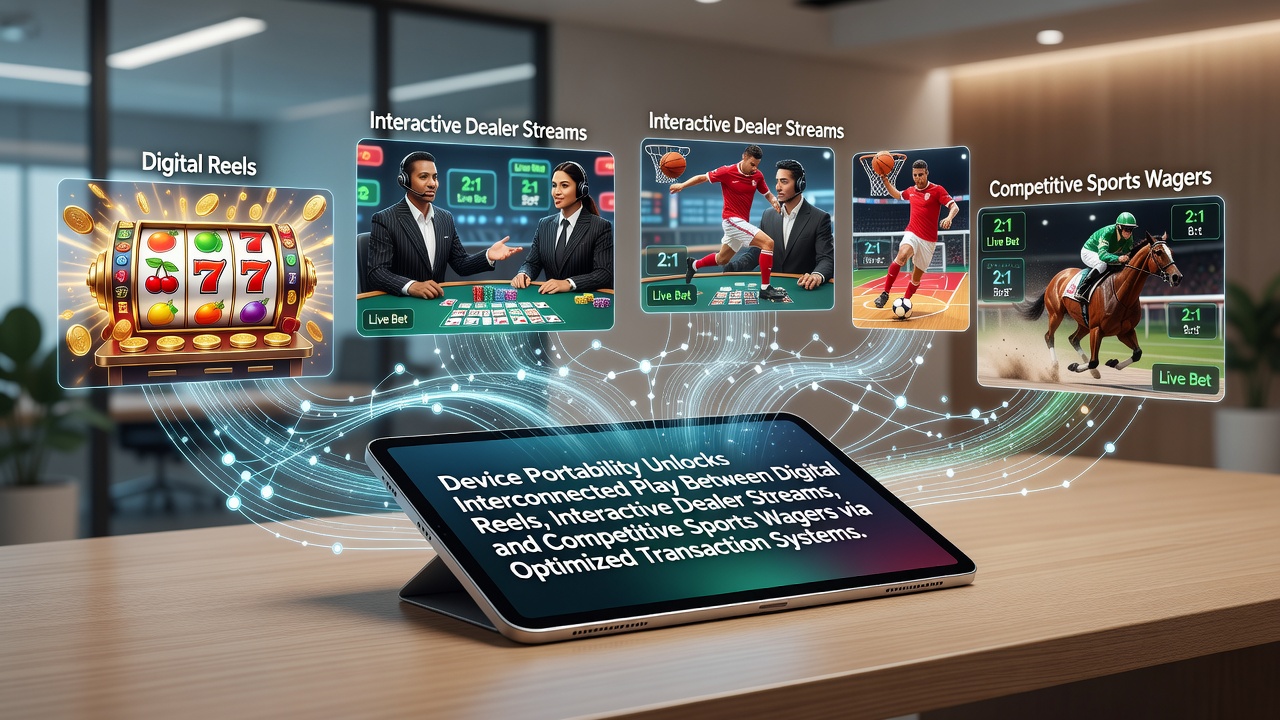
Device portability has transformed how players move between digital reels, interactive dealer streams, and competitive sports wagers through optimized transaction systems that maintain continuity across sessions. Modern smartphones and tablets now handle rapid switches between game types while payment networks process deposits and withdrawals without interruption. Research from the American Gaming Association indicates that cross-platform access grew by 28 percent between 2024 and 2026 as operators refined their backend infrastructure.
Players often begin a session on a slot machine interface then transition directly into a live dealer table without logging out or re-entering payment details. Optimized systems store session data and account balances in encrypted cloud environments that sync instantly when a user changes devices or game categories. This setup reduces latency during transfers and keeps transaction histories intact for regulatory compliance and player review.
Payment Networks Supporting Continuous Play
Optimized transaction systems rely on real-time APIs that connect gaming platforms with banking partners and digital wallets. These connections allow instant verification of funds while players move from spinning reels to placing bets on live sports events. In July 2026 several major operators reported that average session lengths increased after they upgraded their payment gateways to support multi-game environments.
Wallet integrations now include features such as one-tap transfers between different game wallets and automatic currency conversion when sports wagers involve international events. Observers note that these capabilities reduce friction points that previously caused players to abandon sessions during transitions. Data from the Nevada Gaming Control Board shows transaction failure rates dropped below 0.8 percent for participating platforms during the first half of 2026.
Interconnected Experiences Across Game Types
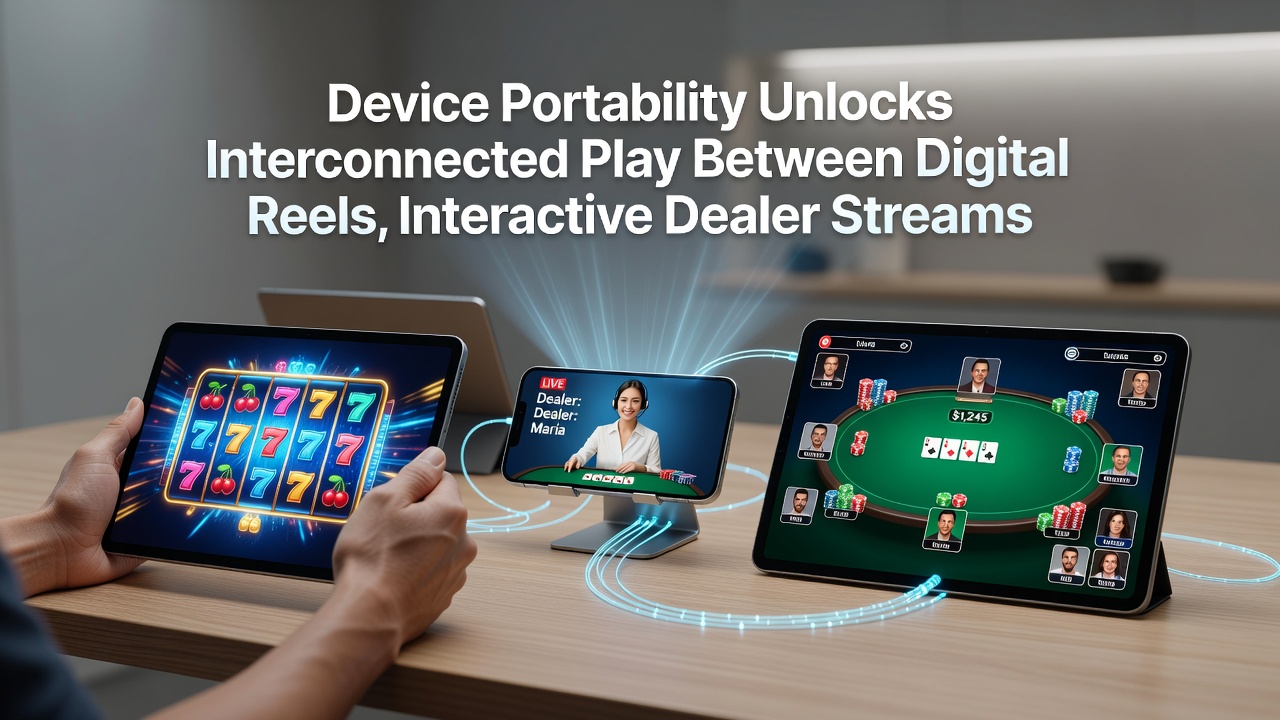
Portability creates opportunities for unified play where a user can watch a dealer shuffle cards while simultaneously tracking odds on an upcoming football match. The same device handles both activities because transaction ledgers update in parallel across separate game servers. This parallel processing keeps balances consistent and prevents the double-spending issues that older systems occasionally produced.
One study published in the Journal of Gambling Studies examined user behavior on platforms that allow seamless movement between slots and live tables. Researchers discovered that participants completed an average of 3.4 game-type switches per hour when payment processing remained stable. The same study found that sports wager integration further extended engagement when odds updates appeared within the same application window.
Technical Requirements for Reliable Connectivity
Operators must maintain low-latency connections between game servers and payment processors to support uninterrupted movement across activities. Cloud-based synchronization services store game states and financial records so a player can resume a slot session on a phone after starting it on a tablet. Security protocols encrypt these records during transfer and require multi-factor authentication for high-value transactions.
Network providers have introduced dedicated gaming lanes on 5G infrastructure that prioritize casino traffic over general data. These lanes reduce packet loss during live dealer streams and prevent betting lines from freezing when multiple users place wagers simultaneously. Industry reports indicate that platforms using these lanes recorded 99.6 percent uptime in July 2026 across major European markets.
Regulatory Considerations and Reporting Standards
Regulatory bodies in multiple jurisdictions now require operators to demonstrate that transaction systems protect player funds during cross-game movement. Auditors examine whether balances remain accurate when a user switches from a sports wager to a live dealer table and back again. Compliance teams document these flows to meet standards set by bodies such as the Malta Gaming Authority and the New Jersey Division of Gaming Enforcement.
Transaction logs must capture every movement of funds across game categories so regulators can verify responsible gambling controls remain active. Some jurisdictions mandate real-time alerts when players exceed preset spending limits regardless of which game type they currently use. These requirements have driven further investment in unified payment dashboards that display spending across slots, dealer streams, and sports wagers in a single view.
Conclusion
Device portability combined with optimized transaction systems has created pathways for continuous play across digital reels, interactive dealer streams, and sports wagers. The infrastructure supporting these connections continues to evolve as operators respond to regulatory demands and player expectations for fluid experiences. As of July 2026 the technical foundations appear stable enough to sustain further expansion into additional game categories and payment methods.