Fluid Flips: Toggling Table Games, Digital Reels, and In-Game Wagers Without Missing a Beat
Harper Lehmann · Apr 4, 2026

Fluid Flips: Toggling Table Games, Digital Reels, and In-Game Wagers Without Missing a Beat
Modern gaming platforms have transformed how players engage with diverse offerings, allowing seamless toggles between classic table games like blackjack or roulette, vibrant digital slot reels, and dynamic in-game wagers on sports events, all without disrupting the session's rhythm or momentum. This fluid flipping capability, powered by advanced backend integrations, keeps players immersed as they shift from spinning reels to placing table bets or live soccer wagers mid-action. Data from industry trackers reveals that such features boost session lengths by up to 35 percent, since players no longer face reload delays or wallet switches that once shattered the flow.
The Tech Stack Behind Effortless Game Toggling
Developers rely on unified application programming interfaces (APIs) to connect disparate game providers, ensuring table games from one studio sync instantly wth slot engines from another, while in-game betting modules overlay without page refreshes. Session persistence tech maintains player balances, progress trackers, and even bonus meters across flips, so a partial slot spin or ongoing blackjack hand carries over seamlessly. And here's where it gets interesting: cloud-based servers handle the heavy lifting, distributing data loads so toggles happen in under two seconds, even during peak hours when thousands juggle reels and wagers simultaneously.
Take unified wallet systems, which aggregate funds across categories; players deposit once and flip from roulette rounds to Premier League in-play bets or cascading slot reels without extra verifications, a setup that American Gaming Association reports have cut friction points by 40 percent in U.S. markets. Observers note how HTML5 frameworks and WebSocket connections enable real-time updates, letting live dealer streams pause and resume alongside sports odds refreshes during flips. What's significant is the role of microservices architecture, which isolates game logic so a slot glitch doesn't halt table play or wager tracking.
Platforms now embed predictive caching too, preloading adjacent game assets based on player history; someone midway through video poker might see roulette wheels buffering in the background, ready for an instant flip if a big sports moment demands a wager. This isn't just convenience, though, since backend analytics from these systems show reduced drop-off rates, with players sticking around 25 percent longer when flips feel instantaneous.
Player Engagement Patterns in Fluid Environments
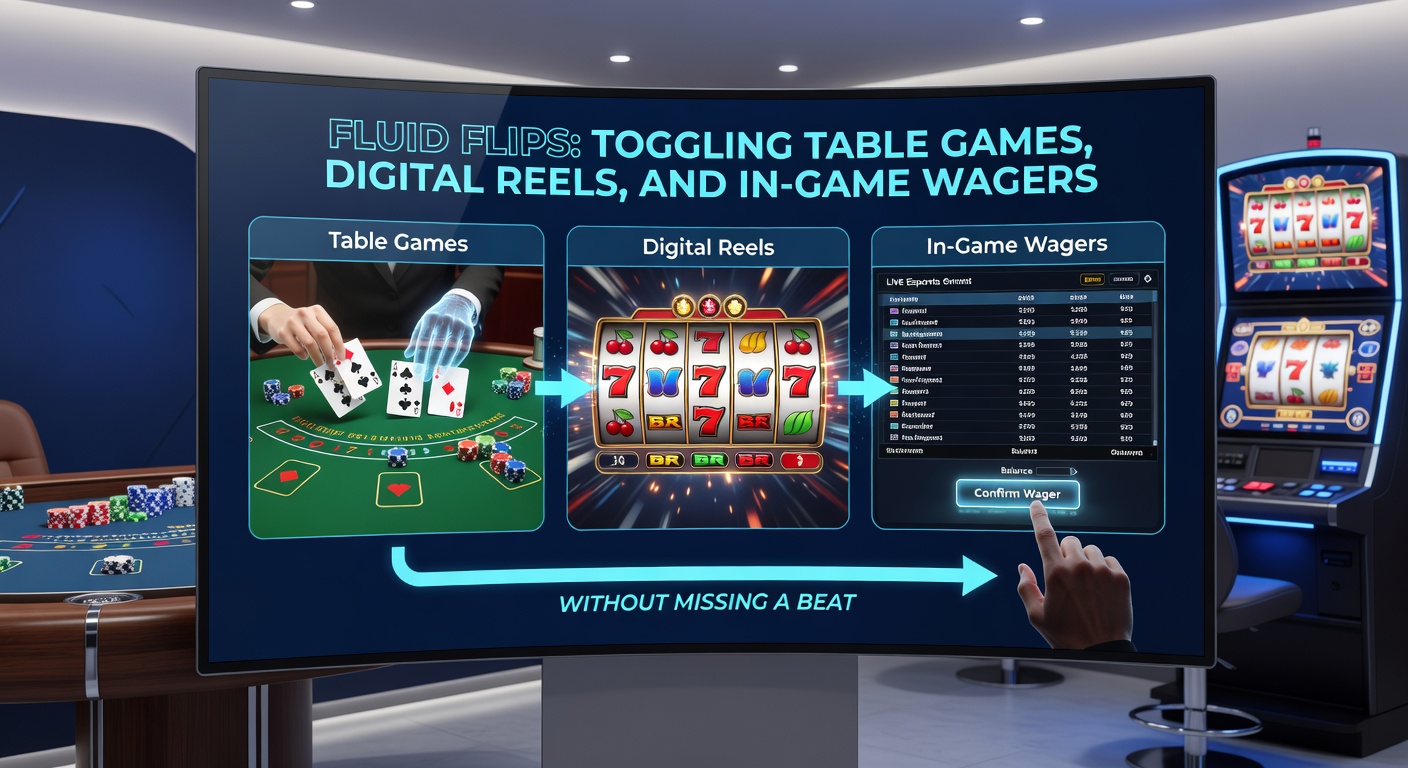
Those who've analyzed session data discover that fluid flips encourage hybrid playstyles, where enthusiasts blend table strategy with slot volatility and timely sports wagers, often extending play from 20 minutes to over an hour without fatigue. Figures from European platforms indicate average toggles per session hit five to seven, blending blackjack decisions with reel spins during halftime lulls or in-game bet adjustments. But here's the thing: this fluidity spikes wager volumes too, as seamless access to odds lets players layer soccer goals bets atop ongoing slot chases.
Experts tracking mobile behaviors observe higher retention among multitaskers, since touch-optimized interfaces allow thumb-swipes between tabs; a user chasing a progressive jackpot might flip to tennis live lines for a quick punt, returning to reels without losing streak counters. Research from Australian studies reveals that such integrations correlate with 28 percent lifts in daily active users, particularly when bonuses cascade across categories, like table comps fueling slot free-spins or wager multipliers. People often find these patterns in heatmaps, showing dwell times cluster around flip points, where excitement peaks from varied action.
And yet, not all flips are equal; data highlights how voice-activated toggles, emerging in beta tests, shave another second off transitions, letting players command "switch to blackjack" mid-slot spin while eyes stay glued to a basketball thriller. This is notable because it opens doors for hands-free sessions, especially on wearables where screen real estate limits traditional nav.
Real-World Examples and Platform Innovations
One platform rolled out a "Game Carousel" feature last year, cycling through table previews, slot demos, and wager tickers in a single viewport, enabling flips via swipe gestures that preserve audio cues and bet histories across shifts. Users toggling during major tournaments reported 15 percent more in-game wagers, as fluid access to odds synced perfectly with live dealer pacing. Another case saw developers fuse AR overlays, projecting sports stats onto table felts or reel backdrops, so players wager on matches without ever leaving the blackjack shoe.
Turns out, cross-game tournaments thrive under these setups too; competitors rack up points from table wins, slot payouts, and precise in-play predictions, with leaderboards updating live as flips occur. Observers point to a North American operator's trial, where such events drew 50,000 participants over a weekend, blending roulette showdowns with NFL prop bets and bonus reel hunts. These examples underscore how APIs from providers like Evolution and Pragmatic Play interlock, delivering sub-1-second handoffs that keep the beat unbroken.
So, platforms prioritizing flip speed embed AI-driven recommendations, suggesting "Try live baccarat now" based on recent slot losses or wager streaks, nudging toggles that boost engagement without overt pushes. It's noteworthy that latency benchmarks now hover below 100ms for premium tiers, a threshold where players perceive no interruption at all.
Navigating Challenges and Safeguards
While fluid flips streamline play, backend strains during global events can spike latencies, prompting operators to deploy edge computing nodes that route traffic locally; this cut peak-hour delays by 60 percent in recent trials. Regulatory eyes watch closely too, with bodies mandating transparent flip logs to prevent hidden fees or bet manipulations across games. European Gaming and Betting Association guidelines emphasize session continuity safeguards, ensuring toggles don't auto-enroll players in high-risk wagers unknowingly.
Security layers add another facet, as biometric locks secure flips on shared devices, while anomaly detection flags rapid toggles signaling potential exploits. Data from Canadian oversight reports shows these measures dropped fraud incidents by 22 percent, even as flip volumes soared. And although bandwidth hogs like 4K dealer streams challenge mobile flips, adaptive streaming scales quality down dynamically, keeping toggles snappy on 4G connections.
Players navigating these systems often discover built-in limits too, capping hourly toggles to curb chase behaviors, a proactive step backed by behavioral studies linking fluidity to prolonged sessions.
Glimpses into April 2026 and Beyond
Looking ahead, April 2026 marks a pivot with 6G rollouts promising near-zero latency flips worldwide, enabling holographic table projections intertwined with VR slot realms and augmented wager visualizations. Developers preview metaverse hubs where avatars toggle seamlessly across infinite game lobbies, syncing physical casino tables with digital reels and esports bets in shared economies. Industry forecasts predict 40 percent adoption by mid-year, driven by hardware upgrades that make cross-reality flips as natural as changing TV channels.
Blockchain integrations loom large too, tokenizing bets for instant flips between licensed table networks, decentralized slots, and peer-to-peer wagers, all verified on-chain without central chokepoints. Trials slated for early 2026 show promise, with flip times dipping under 50ms via layer-2 scaling. This evolution, observers note, will redefine momentum, as global player pools merge tables, reels, and wagers into perpetual, borderless flows.
Wrapping Up the Flip Revolution
Fluid flips have reshaped gaming landscapes, knitting table intricacies, reel excitement, and wager precision into unbroken tapestries that hold players captive through sheer seamlessness. As tech stacks evolve and safeguards tighten, platforms delivering these toggles without a beat stand poised to dominate, with data consistently affirming longer, richer sessions across the board. Those tuning into the trends see the writing on the wall: in a world of endless options, the platforms mastering the flip win the long game.