Interwoven Incentives: Examining How Transaction Methods Enhance Bonus Structures Across Mobile Table Play and Event Wagering
Greta Wolf · Jun 3, 2026
Interwoven Incentives: Examining How Transaction Methods Enhance Bonus Structures Across Mobile Table Play and Event Wagering
Transaction methods have evolved to support layered bonus structures in mobile table play and event wagering with direct connections that allow players to move funds and activate rewards in single sessions. Data from industry reports show payment processors now embed bonus triggers into deposit flows so that mobile users receive instant credits for table games such as blackjack or roulette while simultaneously qualifying for event-based promotions in sports wagering. Observers note that these integrations reduce friction between funding an account and claiming layered offers which combine cashback on table losses with boosted odds on live events.
Payment rails including e-wallets and instant bank transfers have introduced conditional bonuses that scale according to transaction size and frequency. Research indicates platforms configure these systems to recognize patterns such as repeated mobile deposits during peak event windows and then apply multipliers to existing bonus pools. Those who study user behavior find the approach creates seamless pathways where a single transfer unlocks both table-game free bets and event-wager insurance features without separate claim steps.
Payment Flows and Mobile Table Incentives
Table-play environments on mobile devices rely on real-time settlement capabilities that let operators attach time-sensitive bonuses to each transaction. Figures from payment-service analyses reveal that operators using instant-confirmation methods achieve higher bonus redemption rates because players receive table-credit rewards within seconds of deposit rather than after manual verification. This timing advantage matters during live dealer sessions where quick top-ups allow continued participation in promotional rounds that award additional chips or multiplier spins tied to specific table outcomes.
Systems that link bank transfers directly to loyalty ledgers track cumulative spend across multiple table types and then release tiered bonuses automatically. Experts have observed that such automation prevents players from missing out on escalating rewards because the transaction record itself serves as the trigger instead of requiring separate bonus-code entry. In June 2026 several platforms plan to expand these features to include cross-table progress bars that display remaining activity needed for the next reward level while funds move through the same interface.
Event Wagering Connections
Event wagering platforms integrate transaction data with odds feeds so that deposits made near major fixtures trigger enhanced bonus structures automatically. According to studies conducted by the American Gaming Association, operators using synchronized payment and betting engines record increased participation in pre-event promotions because the deposit itself qualifies the user for boosted stake multipliers or partial loss rebates on selected markets. These mechanics create unified reward paths where funds moved for table play can later convert into event-specific credits if the user switches formats within the same mobile session.
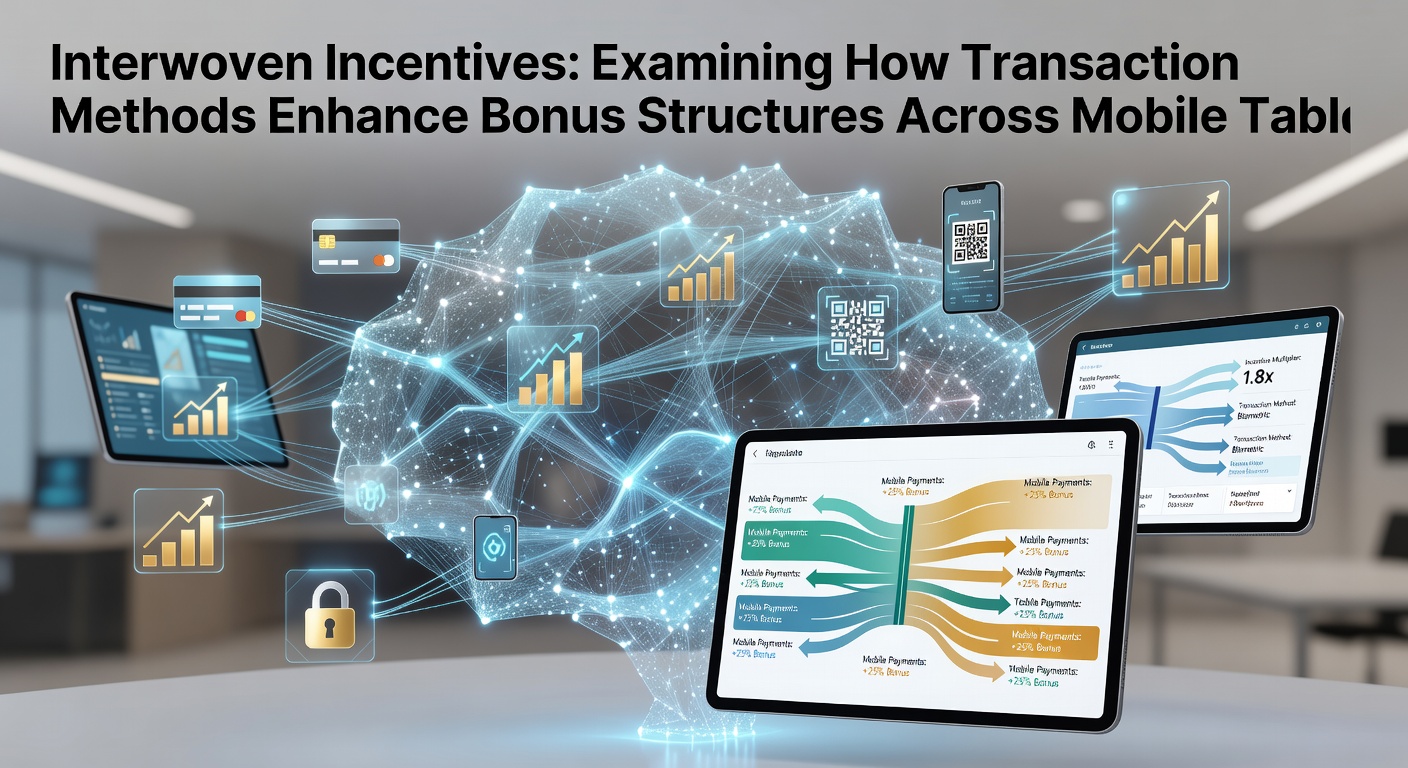
Wallet providers that support instant withdrawals also enable reverse bonus flows where event winnings fund table-play accounts with attached promotional overlays. Data from transaction logs show these bidirectional movements encourage sustained engagement because players encounter fewer delays when reallocating balances between formats. Researchers discovered that platforms offering such fluidity experience steadier bonus uptake rates compared with systems that treat table and event accounts as separate ledgers.
Regulatory and Technical Frameworks
Regulatory bodies outside the UK such as the Nevada Gaming Control Board have documented how licensed operators must maintain audit trails that connect each payment to its associated bonus outcome. These requirements push developers to embed verification steps inside the transaction layer itself so that bonus eligibility becomes part of the settlement record rather than an after-the-fact calculation. Technical standards released by the Canadian Gaming Association further specify that mobile applications must display remaining bonus conditions at the moment funds are transferred to prevent disputes over eligibility timing.
Academic papers from institutions examining digital payment ecosystems highlight that cryptographic receipt systems now allow operators to issue bonus tokens that remain valid across both table and event environments. Players benefit because a single transaction receipt can unlock rewards in multiple game categories without requiring additional verification. What's interesting is that these tokens often carry expiration rules tied to the original deposit date which encourages timely use across formats.
Case Examples of Integrated Systems
One European operator introduced a deposit method that automatically allocates portions of each transfer to separate bonus buckets for table play and upcoming sports events. Transaction analytics from that deployment showed users who activated both buckets within a single session maintained higher average balances over subsequent weeks. Another platform in Australia linked its e-wallet solution to live event feeds so that deposits placed during major tournaments received instant event-wager insurance that could also apply to table-game sessions later the same day.
People who monitor these deployments report that the common thread involves transaction metadata serving as the primary identifier for bonus eligibility rather than user-initiated claims. This shift reduces administrative overhead while increasing the speed at which rewards become available across mobile interfaces.
Conclusion
Transaction methods continue to reshape bonus structures by embedding reward triggers directly into payment processes used for mobile table play and event wagering. Evidence from regulatory filings and industry analyses indicates that platforms adopting these integrated approaches achieve more consistent bonus utilization because eligibility flows from the transaction record itself. As systems evolve through 2026 further refinements are expected to maintain audit compliance while expanding the range of rewards that activate across both table and event environments in unified mobile sessions.