Metropolitan Mayfair Casino Tribunal Complaint Centers on Cash Tip Sharing Rules
Casey Baumann · Jul 10, 2026
Metropolitan Mayfair Casino Tribunal Complaint Centers on Cash Tip Sharing Rules
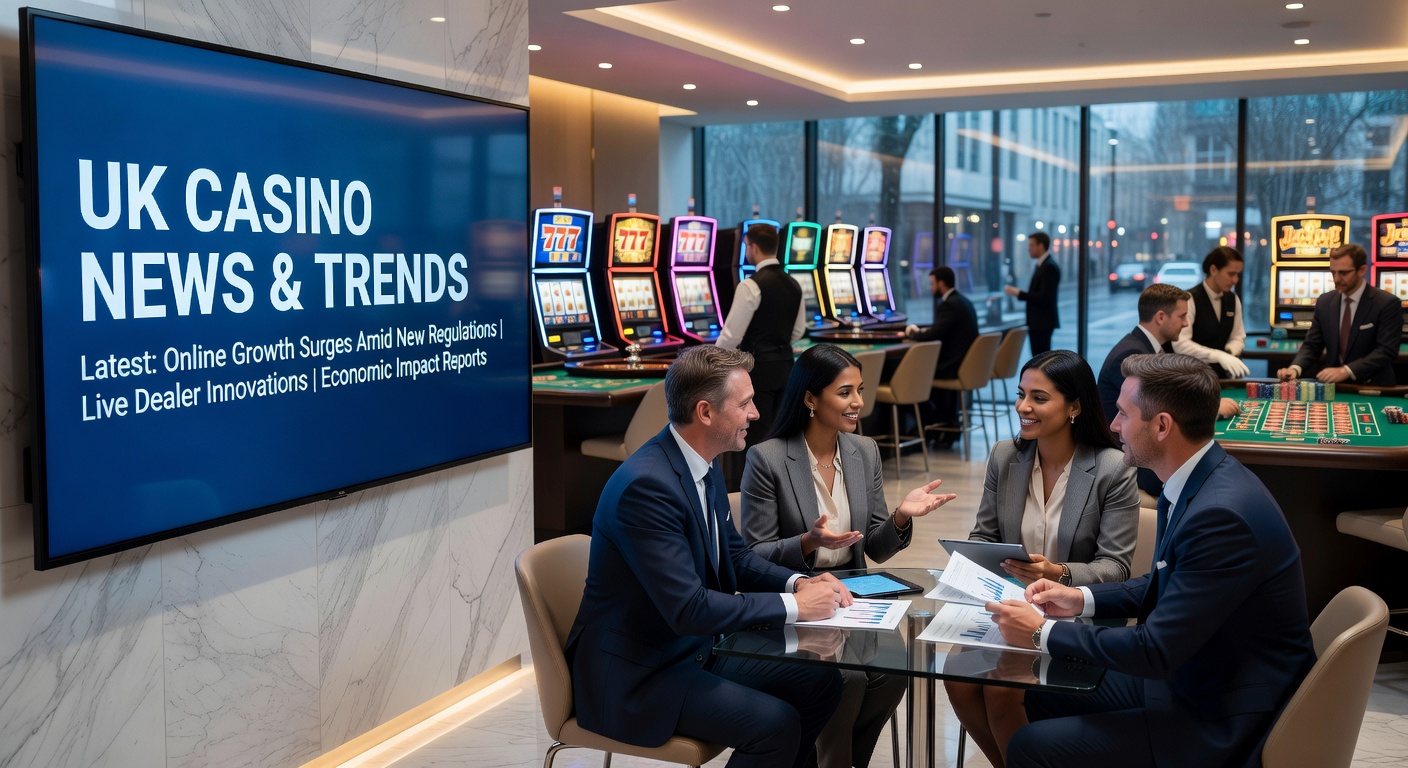
A former waiter at the Metropolitan Mayfair casino has filed a complaint with an employment tribunal in London, alleging that cash tips handed directly to him were redirected to managers and other staff members in ways that breach current UK rules on gratuities. The case, lodged in early July 2026, highlights how the Metropolitan Casinos group handles customer payments at its Mayfair location, one of several venues the company runs across the country. Silver Point Capital, the US investment firm that owns the group, oversees operations that include both casino gaming and hospitality services where tipping occurs regularly.
Details of the Employment Claim
The claimant states that cash tips given to him personally were collected and redistributed according to internal arrangements that included supervisors and colleagues who did not receive the original payments. This practice, he argues, conflicts with legislation that took effect in October 2024 and requires 100 percent of service charges plus card-based tips to reach the workers who earned them. The complaint specifies that the policy applied even when customers handed cash directly to individual staff, creating a pool that managers accessed before final distribution. Observers note that such arrangements have drawn scrutiny since the new rules came into force, yet this filing marks one of the first public challenges involving a casino setting.
Legislative Framework and Its Scope
UK tipping legislation implemented in October 2024 established clear requirements for how gratuities move through businesses, particularly in hospitality and leisure sectors. The rules cover both electronic payments and service charges added to bills, directing that these amounts must stay with front-line workers rather than being retained by owners or used for general operational costs. Cash tips handed directly to employees fall under separate handling guidelines, yet the claim asserts that pooling mechanisms at Metropolitan Mayfair effectively bypassed those protections. Employment tribunals now process disputes of this type through standard procedures that allow former staff to seek remedies when distribution practices appear inconsistent with the statute.
Metropolitan Casinos Group Operations
The Metropolitan Casinos group operates multiple UK venues, with the Mayfair site serving as a flagship property in central London. Silver Point Capital acquired the portfolio and maintains oversight through standard corporate governance structures typical for US-owned leisure investments in Britain. Staff at these locations handle both gaming tables and restaurant services, creating frequent opportunities for customer tips in cash and card formats. The group has not issued a public statement regarding the specific tribunal filing, though employment disputes of this nature proceed independently of company announcements.
Timeline and Context in July 2026
By July 2026 the October 2024 legislation had been in place for nearly two years, giving businesses time to adjust payroll systems and tip allocation methods. The former waiter’s complaint arrives after he left the Mayfair venue, a sequence that tribunals commonly review when assessing whether internal policies complied with statutory obligations during the period of employment. Records from the tribunal registry indicate that hearings on similar matters often examine documentation such as tip logs, staff contracts, and manager directives to determine whether redistribution occurred outside permitted boundaries.
Broader Employment Tribunal Process
London employment tribunals handle claims involving wage deductions, tip distribution, and workplace contract disputes through structured case management that includes preliminary hearings and evidence exchange. Claimants must demonstrate that company practices violated specific statutory provisions, while respondents may present records showing compliance efforts. In this instance the focus remains on cash tips collected at the point of service and any subsequent sharing arrangements that extended beyond the original recipient. Tribunal decisions in comparable cases have referenced payroll records and witness statements to establish whether 100 percent allocation rules were observed.
And yet the Metropolitan Mayfair filing also touches on how multi-venue operators coordinate policies across sites. Because the group runs several locations, any precedent set here could influence how similar complaints are framed at other properties. The US ownership structure adds another layer, since Silver Point Capital maintains headquarters structures that sometimes apply standardized human-resources frameworks across international holdings.
Industry Context for Tip Handling
Casino and hospitality employers across the UK have updated their tip-management systems since the 2024 changes, often introducing digital tracking tools that separate cash and card gratuities. These adjustments aim to align with the requirement that workers receive the full value of customer payments intended for them. The current complaint illustrates one point of friction that remains when cash handling occurs outside electronic systems, where manual collection and redistribution can create disputes about entitlement. Researchers at academic institutions studying labor practices have documented similar tensions in service industries where team-based pooling was common before the legislative shift.
Conclusion
The employment tribunal case brought by the former Metropolitan Mayfair waiter centers on whether cash tip distribution practices met the standards set by October 2024 legislation. Proceedings will examine records from the venue and the broader Metropolitan Casinos group to assess compliance. Outcomes in such matters typically rest on documentary evidence and statutory interpretation rather than broader industry commentary. The filing adds to the growing body of tribunal activity that tests how leisure operators implement the current tipping framework across multiple sites.