Unified Payment Channels Enabling Effortless Navigation of Slots Tables and Odds Markets
Greta Wolf · Jul 12, 2026
Unified Payment Channels Enabling Effortless Navigation of Slots Tables and Odds Markets
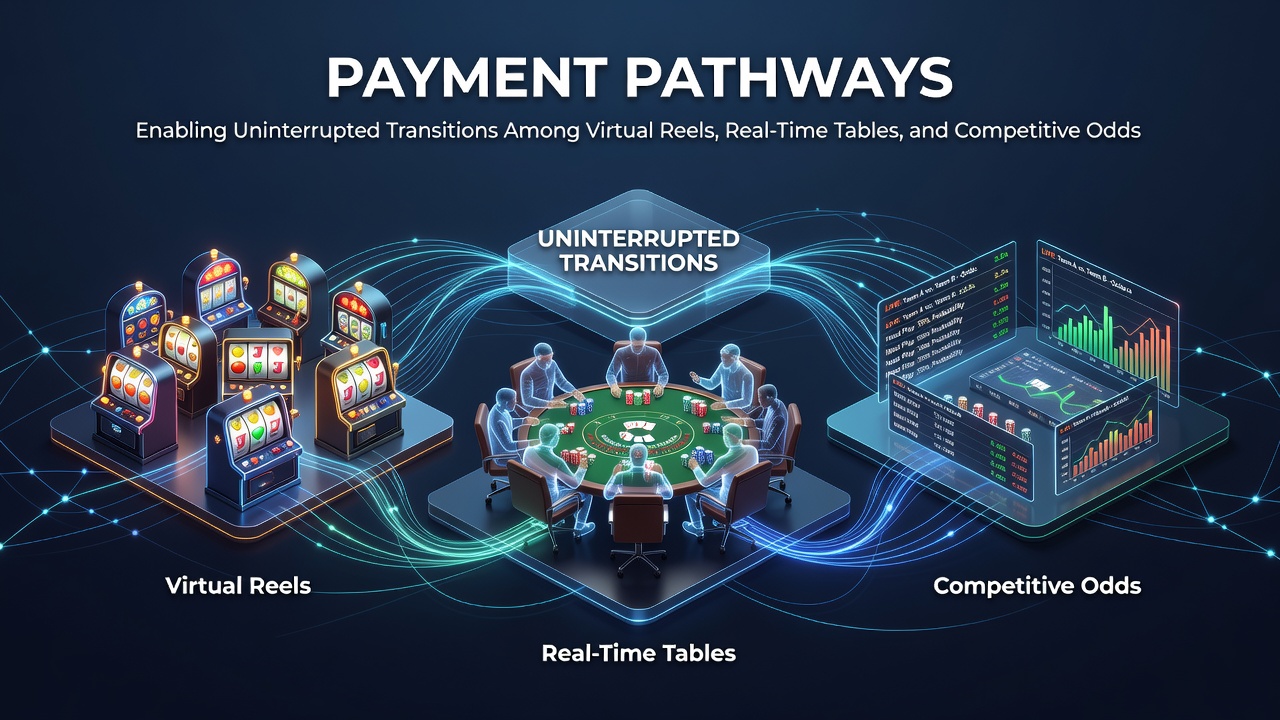
Payment infrastructure has evolved to support continuous movement between virtual reels, live dealer tables, and sports betting interfaces without requiring separate funding steps at each switch. Operators integrate e-wallets, bank transfers, and digital currencies so balances remain active across formats while transaction records update in real time. Data from industry reports shows these pathways reduce session interruptions by routing funds through centralized ledgers that recognize activity in slots, table games, and betting markets alike.
Core Mechanics of Integrated Payment Systems
Centralized account structures allow a single deposit to fund activity across multiple verticals. When a player moves from spinning reels to joining a live blackjack table the remaining balance transfers automatically through API connections that update within seconds. Observers note that this setup relies on secure tokenization where each platform pulls from the same verified pool rather than initiating new deposits. Studies conducted by the University of Nevada Reno indicate such systems maintain accuracy rates above 99 percent during rapid format changes according to transaction logs collected between 2024 and 2025.
Real-time reconciliation engines track every wager whether it occurs on a slot machine, at a roulette wheel, or on a football match outcome. These engines synchronize with banking partners so that pending bets and completed rounds reflect instantly in the shared balance. Figures released by the American Gaming Association reveal that operators using unified ledgers recorded a 34 percent increase in cross-format sessions during the first half of 2025 compared with fragmented payment setups.
Role of E-Wallets and Digital Currencies in Continuous Play
E-wallets serve as the primary bridge because they authorize transfers without forcing players to exit the current interface. A user can place a sports bet then immediately allocate remaining funds to a live dealer session while the wallet application handles currency conversion and fee calculations in the background. Blockchain-based options add another layer by confirming deposits through distributed networks that operate independently of traditional banking hours. Reports from the European Gaming and Betting Association highlight that platforms incorporating multiple wallet providers saw average session lengths extend by 22 minutes when players switched between reels and competitive odds markets.
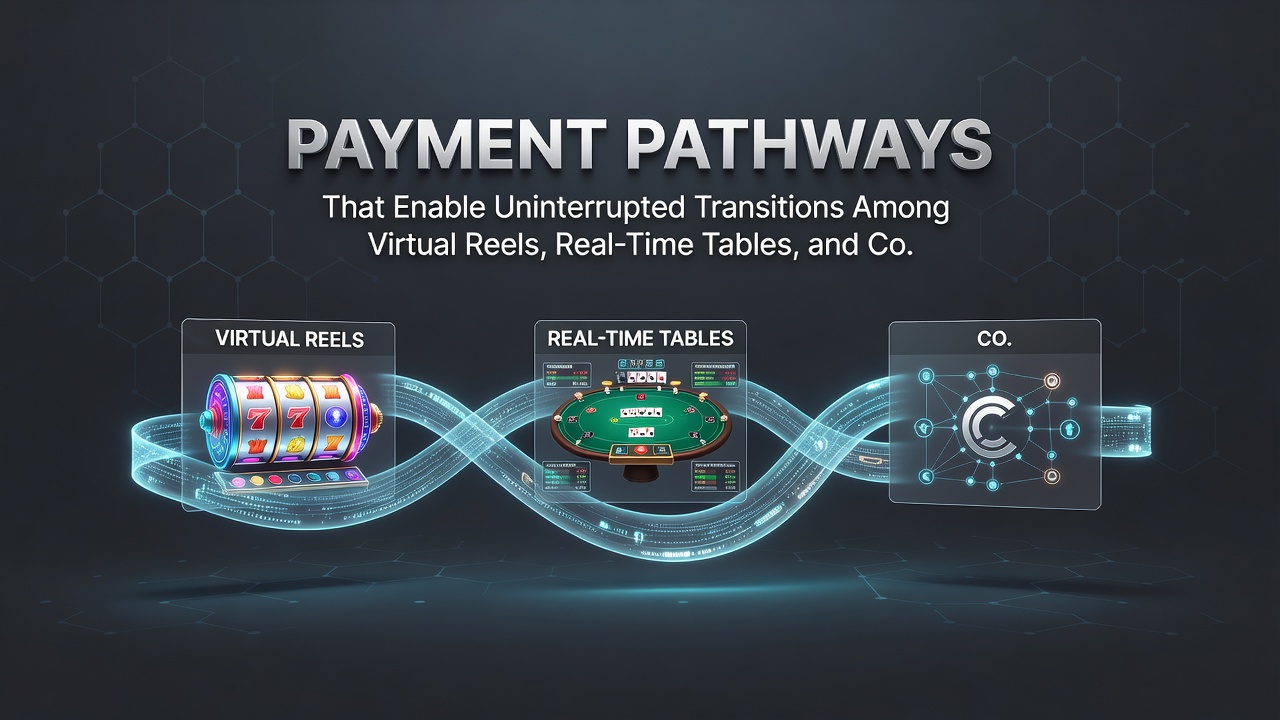
July 2026 marks a scheduled update in several jurisdictions where regulators will require standardized reporting on multi-format transaction speeds. This change builds on existing frameworks already tested in pilot programs across North America and parts of Asia. The update aims to ensure that payment pathways remain stable even when thousands of simultaneous switches occur during major sporting events or peak live casino hours.
Security Protocols Supporting Format Transitions
Encryption standards and multi-factor authentication stay active throughout each transition so that moving from a slot spin to a table bet does not expose additional verification steps. Fraud detection algorithms monitor patterns across all formats simultaneously flagging unusual activity before funds complete their movement. Research published in gaming technology journals shows that integrated systems employing continuous authentication reduced unauthorized transfers by 41 percent over isolated payment channels during controlled testing phases.
Compliance modules built into these pathways automatically apply responsible gaming limits across every vertical. A deposit cap set for slots therefore carries over to table games and sports wagers without requiring separate configuration. This unified approach satisfies regulatory expectations while preserving the flow of play for users who shift formats frequently.
Technical Infrastructure Behind the Scenes
Cloud-based payment gateways connect directly to game servers so balance queries return results in under 200 milliseconds. Load balancing distributes traffic evenly when large numbers of players move between reels and live tables during evening peak periods. Observers point out that redundancy measures such as mirrored servers prevent single points of failure that could otherwise halt transitions mid-session.
API documentation released by leading software providers details how each game type registers its activity type so the payment layer recognizes whether a transaction stems from a reel spin a dealer hand or an odds settlement. This classification enables accurate reporting and helps maintain separate audit trails while still drawing from one balance.
Conclusion
Payment pathways continue to advance through combined use of e-wallets digital ledgers and real-time reconciliation tools that keep balances active across virtual reels live tables and competitive odds. Regulatory developments scheduled for July 2026 will further standardize performance metrics while existing infrastructure already supports seamless movement documented in multiple industry and academic sources. These systems operate through layered security and compliance features that preserve continuity without introducing additional friction at each format change.